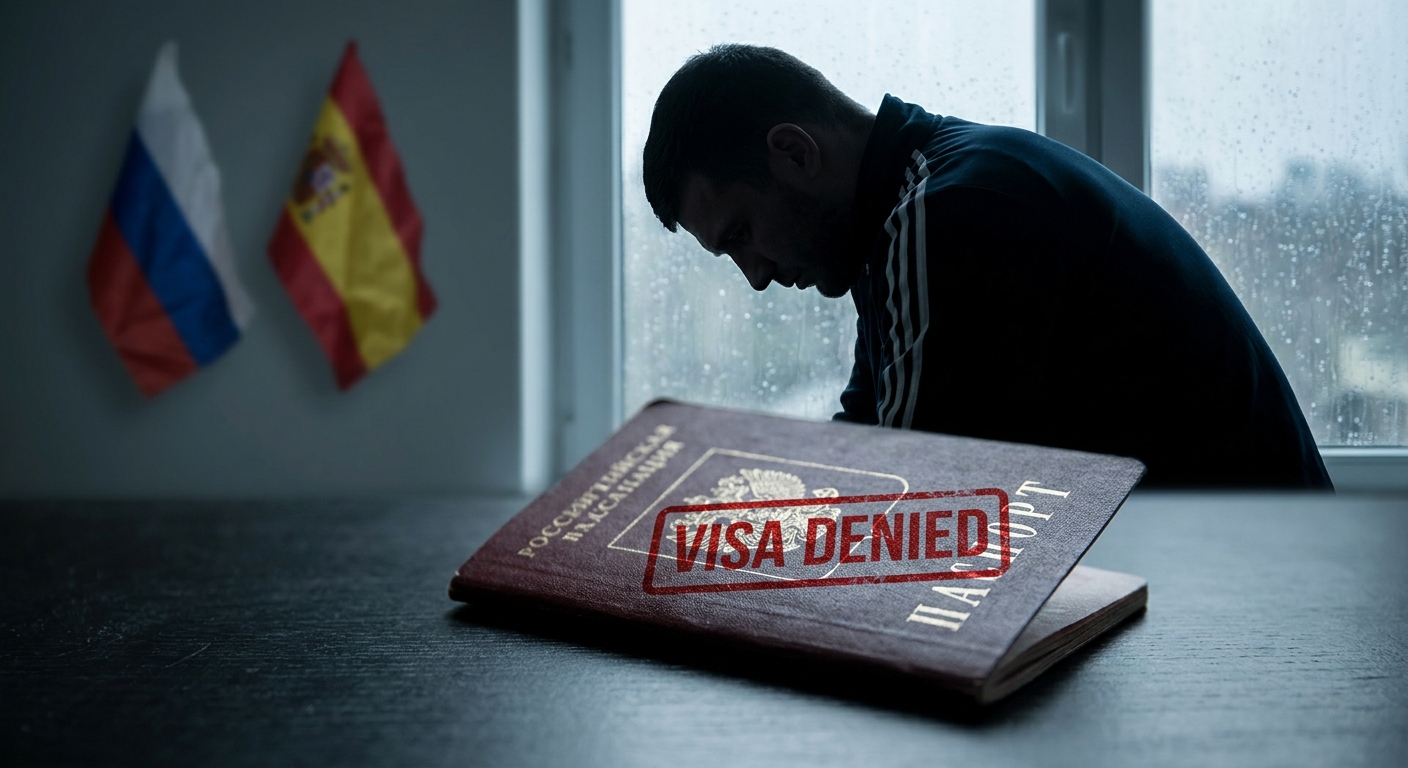
The world of international sports prides itself on fostering unity and fair competition across borders. Yet, recent events have cast a shadow over these ideals, particularly within the bodybuilding community. The European Bodybuilding Championships in Spain, a pinnacle event for athletes across the continent, became the stage for a significant controversy when Spanish authorities denied visas to nearly the entire Russian bodybuilding team, despite holding official invitations from the International Federation of Bodybuilding and Fitness (IFBB). This incident not only disrupted the dreams of dedicated athletes but also ignited a critical debate on the intersection of politics and sport.
The Incident Unfolds: A Sudden Visa Denial
The saga began when the Russian bodybuilding team, having meticulously prepared for months, if not years, found their aspirations abruptly halted. Each athlete had secured an official invitation from the IFBB, the global governing body for the sport, signaling their legitimate participation in the prestigious European championships. Despite these formal endorsements, and the athletes’ adherence to established visa application procedures, a vast majority of the team faced outright rejection from Spanish consular services.
A Troubling Precedent for International Competitions
The reasons cited, or in many cases, not clearly articulated by the Spanish authorities, left both the Russian Federation and the IFBB in a state of dismay. Such a widespread denial of entry, particularly to an entire national team invited by an international federation, sets a troubling precedent. It raises significant questions about the autonomy of international sports organizations and the potential for political considerations to override sporting merit and diplomatic protocols. For many, it felt like individual athletes were being penalized for geopolitical circumstances beyond their control.
Implications and Ramifications for the Sport
The immediate impact of this decision reverberated deeply within the bodybuilding world, affecting not just the Russian athletes but also the broader principles of international sporting events.
Impact on Athletes' Careers and Morale
For the affected Russian bodybuilders, the visa denial represented a devastating blow. Years of rigorous training, strict diets, and substantial financial investment culminated not in competition, but in crushing disappointment. Athletes had sacrificed immensely, often putting their careers and personal lives on hold, to reach this elite level. The denial meant lost opportunities for ranking points, potential prize money, sponsorships, and the invaluable experience of competing on an international stage. Beyond the tangible losses, the psychological toll – feelings of injustice, frustration, and despair – cannot be overstated. It underscores the fragility of an athlete's career when external political forces intervene.
Challenge to Sporting Neutrality and Governance
This incident directly challenges the long-held principle of sporting neutrality, where athletes compete under the banner of their sport, not their nation’s politics. The IFBB, as a global federation, strives to provide a level playing field for all competitors. When a host nation unilaterally denies access based on nationality, it undermines the IFBB's authority and ability to govern its events inclusively. It forces sporting bodies to navigate complex diplomatic landscapes, potentially leading to future boycotts, event relocations, or even a re-evaluation of host nation selection criteria. The integrity of international championships depends on the assurance that all legitimate participants will be granted entry.
The Broader Sociopolitical Context
While the European Bodybuilding & Fitness Federation (EBBF) primarily focuses on the sport itself, it is impossible to ignore the broader geopolitical tensions that often influence such decisions. The current global climate has seen increased scrutiny and restrictions placed on individuals from certain nations. However, the EBBF believes strongly that sports should serve as a bridge, not a barrier. Penalizing individual athletes, who often dedicate their lives to apolitical pursuit of excellence, risks transforming sporting events into arenas of political proxy, thereby diluting their true spirit of camaraderie and competition.
Looking Ahead: Navigating Future Challenges
The controversial visa denial serves as a stark reminder of the complexities facing international sports organizations today. Moving forward, several considerations are paramount.
Calls for Clarity and Consistency
There is an urgent need for greater clarity and consistency in visa policies for international sporting events. Host nations, in collaboration with international federations like the IFBB, must establish transparent guidelines that minimize the risk of last-minute denials and arbitrary exclusions. This includes robust communication channels and contingency plans for unforeseen circumstances.
Role of Sporting Bodies
Sporting bodies must fortify their diplomatic efforts to protect athletes from political interference. This may involve pre-emptive engagement with host governments, securing explicit guarantees for athlete entry, and advocating strongly for the principle that sport transcends politics. The EBBF is committed to supporting these efforts within the European context, ensuring that our championships remain open and fair to all qualified competitors.
European Bodybuilding Federation's Stance
As a critical voice in European bodybuilding and fitness, the EBBF emphasizes the importance of upholding fair play, equal opportunity, and respect for all athletes. Our mission is to promote the sport, its rules, and its community across Europe, free from undue external influence. We will continue to advocate for policies that ensure athletes are judged solely on their merit and performance, not their nationality or political affiliations.
Conclusion
The controversial denial of visas to the Russian bodybuilding team for the European Championships in Spain represents a deeply concerning episode in international sports. It highlighted the vulnerability of athletes to geopolitical currents and underscored the delicate balance between national sovereignty and the principles of universal sportsmanship. As the European Bodybuilding & Fitness Federation, we stand firm in our commitment to fostering an inclusive and fair environment for all athletes. This incident calls for collective action from all stakeholders to safeguard the integrity of international sports, ensuring that the dreams and dedication of athletes are never again overshadowed by political disputes.